About Industrial Exhaust Blowers
Our sophisticated infrastructure enables us to offered an utmost range of Industrial Exhaust Fan and Blowers. Widely used in various industries as ventilation, cooling and drying systems, our axial fans are designed for removal of dust and fumes in work places. In order to made high qualityIndustrial Exhaust Fan and Blowers, our professionals employ latest machines and utilize quality tested material procured from the authentic vendors. Easy installation, smooth operation and energy efficiency are some of the salient attributes of our axial flow fans.
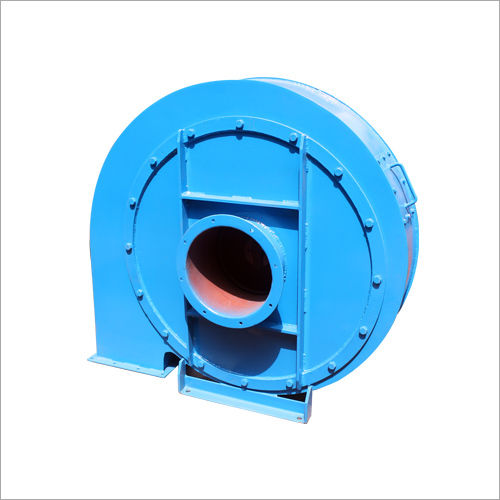
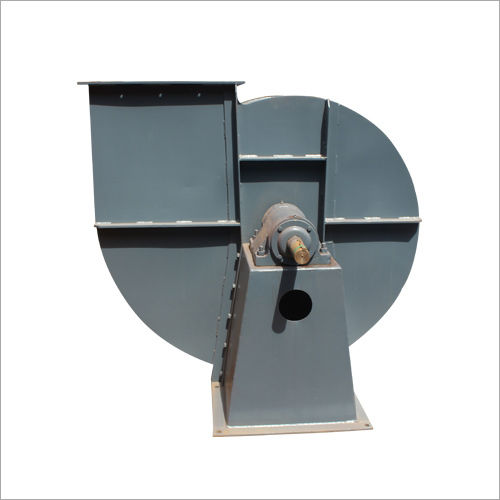
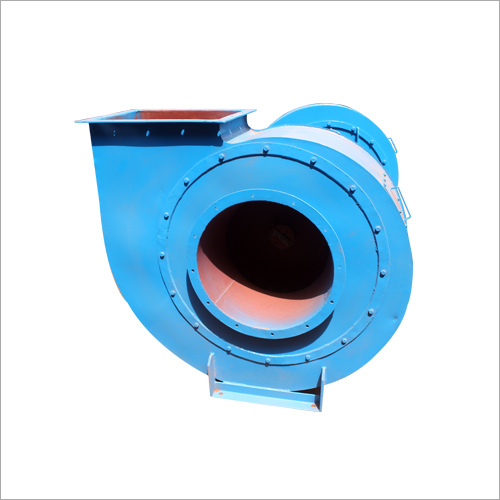
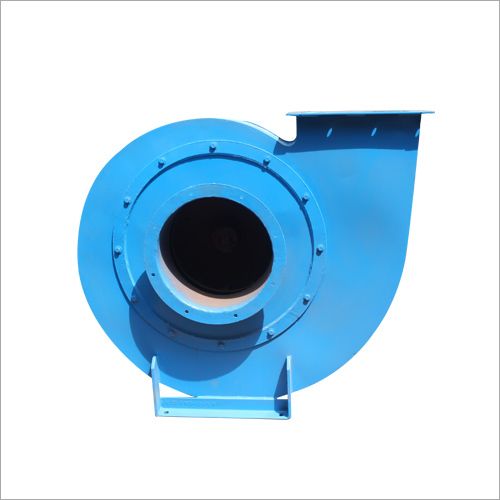
Our Industrial Exhaust Blowers are designed to efficiently remove contaminated air, fumes, dust, and excess heat from industrial environments, ensuring a safe and productive workspace. Built with high-performance motors and robust construction, these blowers offer superior airflow and durability, making them ideal for a variety of applications, including factories, warehouses, chemical plants, and manufacturing facilities.
Reliable and Versatile DesignThese industrial exhaust blowers are meticulously crafted using heavy-duty steel or stainless steel, offering both forward and backward curved impeller options. The base or flange mounting provides installation flexibility, while powder-coated finishes ensure durability and resistance against harsh industrial conditions.
Efficient Operation and SafetyWith a totally enclosed fan cooled (TEFC) motor, Class F insulation, and noise levels below 85 dB(A), these blowers are built to operate efficiently and quietly. Suitable for continuous use in operating temperatures ranging from -10C to 80C, they guarantee stable, long-lasting performance in a variety of industrial settings.
Wide Range of Industrial ApplicationsDesigned to cater to ventilation, exhaust systems, and fume extraction needs, these blowers support capacities from 500 to 50,000 m/hr. They serve as vital components in factories, warehouses, and process plants across Indias diverse industrial landscape.
FAQs of Industrial Exhaust Blowers:
Q: How do I select the right impeller type for my industrial exhaust blower?
A: Choosing between forward or backward curved impellers depends on your airflow and pressure requirements. Forward curved impellers are ideal for higher air volumes at lower pressures, while backward curved impellers suit higher-pressure applications. Assess your systems specifications or consult our engineers for tailored recommendations.
Q: What is the advantage of using a Totally Enclosed Fan Cooled (TEFC) motor?
A: A TEFC motor protects the blower from dust, moisture, and other contaminants, enhancing reliability and reducing maintenance. This construction supports continuous operation in industrial environments and ensures longer service life in challenging conditions.
Q: Where can these industrial exhaust blowers be installed?
A: Our blowers are suitable for a wide range of applications, including industrial ventilation, fume extraction, and exhaust systems in manufacturing plants, processing units, warehouses, and more. They can be safely base or flange mounted as required by your setup.
Q: What is the typical operating temperature range for these blowers?
A: These blowers are designed to perform efficiently in ambient temperatures from -10C up to 80C, making them suitable for most industrial and commercial environments.
Q: How do the mounting and drive options impact installation and operation?
A: Base-mounted and flange-mounted designs allow versatile installation, while the choice between belt drive and direct coupling affects maintenance and efficiency. Belt drives enable easy speed adjustments, and direct coupling ensures minimal power loss for higher operational efficiency.
Q: What benefits does a powder-coated finish offer for industrial blowers?
A: The powder-coated finish provides enhanced resistance to corrosion and wear, maintaining the blowers appearance and durability even in aggressive industrial atmospheres.
Q: Can I get a blower with single-phase power supply?
A: Yes, while our standard blowers are designed for three-phase operation, single-phase variants are available upon request to accommodate different power infrastructures.





 Send Inquiry

 Send Inquiry
 Send Inquiry
 Send SMS